




ENT Urgent Care

Hearing

Allergy

Sinus

Sleep




Hearing loss doesn’t just mean someone needs to turn up the TV or ask “Can you repeat that?” It has also been linked to an increased risk of dementia.

The doctors at Midwest ENT & Allergy know parents have concerns when their child seems to be suffering. Dr. Todd provides answers to six common questions parents have when it comes to testing kids for allergies

Sinus
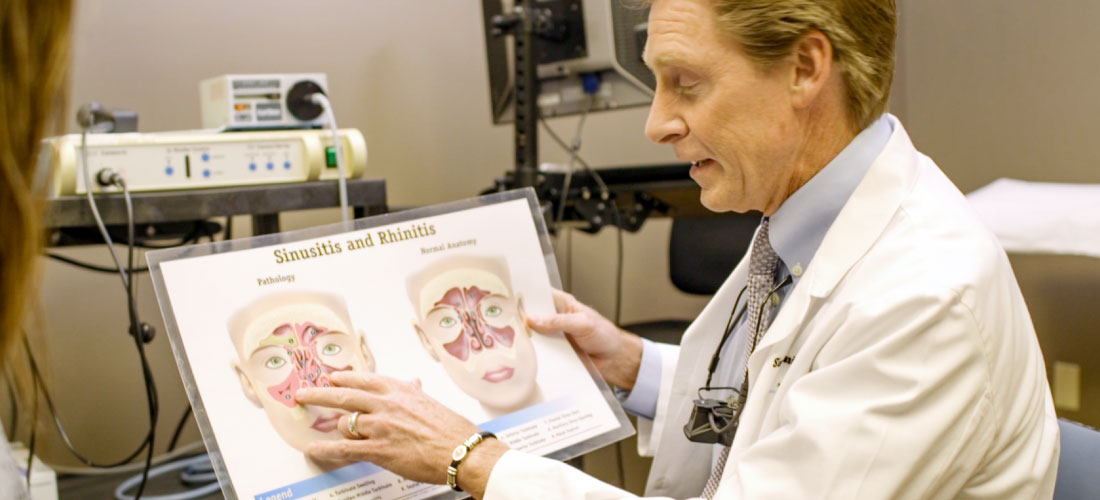
The Sinus and Allergy Center at Midwest Ear, Nose & Throat is focused exclusively on nasal, sinus, and allergy problems. We are board certified ear, nose and throat surgeons. We have residency training and fellowship accreditation in allergy and sinus surgery.
We offer state-of-the-art, minimally invasive, image-guided sinus surgery as well as nasal airway surgery. We also offer comprehensive allergy testing and treatment, utilizing all the latest technology and techniques.
Our unique combination of skills, training and experience allows the Sinus and Allergy Center to be the final consult for all your allergy, nasal and sinus problems.
Otolaryngologist Dr. Thomas Tamura, of Midwest ENT discusses common pediatric procedures, adenoid removal and ear tube insertions. Dr. Tamura also explains how allergies affect sinuses and how sinus surgery can help people with chronic sinus infections.
* Adenoid Removal and Ear Tube Insertion for Kids
Video courtesy of the Brookings Health System
* Allergies, Sinuses, and Surgical Relief
Video courtesy of the Brookings Health System
Obstructive Sleep Apnea
Obstructive sleep apnea refers to a blockage of the upper airway during sleep that causes one to stop breathing periodically. This may leave people tired after a full night's rest. Significant factors in sleep apnea will be analyzed during this screening, including snoring, fatigue, history, neck circumference, etc.
The consequences of untreated sleep apnea are as follows:
- Increased risk of death
- Risk of high blood pressure
- Risk of coronary artery disease
- Risk of stroke
- Impairment of memory, cognition
- Risk of heart failure
- Risk of diabetes mellitus
Treatment Options:
Treatment plans vary based on each individual patient.
- Plan A is always simple things like weight loss, exercise, sleep positioning, nasal steroid spray, breathe-rite strips, and even dental appliances.
- Plan B is usually a type of CPAP. CPAP stands for continuous positive airway pressure. It is a device that the patient wears (like a nose or face mask) that keeps the tissues from collapsing by continuously blowing positive air pressure into the nose.
- Plan C is surgery. This can vary from nasal airway surgery all the way to tonsil and palatal surgery and even involve the base of the tongue.
Insomnia
Insomnia is a very common sleep disorder defined by nighttime and daytime symptoms. Nighttime symptoms include persistent problems falling and/or staying asleep and non-restorative sleep. Daytime symptoms of insomnia can include decreased sense of well-being, decline in functioning such as concentration and memory, fatigue, and persistent concerns and worries about sleep. Insomnia may be a brief response to stress, but in some people it can persist for many years.
About 75 percent of people with insomnia can identify a definite cause of their insomnia. One of the most common causes is stress related to family or work situations. Poor sleep is a common reaction to stress, but there are significant individual differences in how people react to stress. These differences play a role in the development of insomnia. Factors such as sleep apnea, chronic pain, breathing difficulties, thyroid function, depression, acid reflux, restless legs syndrome and urinary frequency can all influence insomnia. Medications can also contribute to poor sleep. These medications include caffeine, nicotine, stimulants, asthma medications, allergy and cold medications, steroids and beta blockers. Alcohol or other sedatives wear off in the middle of the night and can cause disrupted sleep.
Environmental factors can also disrupt sleep. Worrying about getting enough sleep is counterproductive and can end up making it even more difficult to fall asleep. Trying too hard to get to sleep produces a similar outcome. Watching TV, reading, room temperature and lighting can all have a negative impact on our sleep.
Your provider will obtain a sleep history and provide you with different questionnaires to help diagnose your insomnia and rule out other sleep disorders. Tools utilized may include a Sleep Diary, an Epworth Sleepiness Scale test, an Insomnia Severity Index, or a Polysomnogram Sleep Study. The Polysomnogram includes an overnight stay in a certified sleep laboratory. It is not necessary for a diagnosis of insomnia, but may be recommended in certain patients with a suspicion that they have another contributing sleep disorder. Sleep disorders can include sleep apnea or periodic limb movements.
Sleep
Nearly one in ten adults in the United States suffers from sleep issues. Insomnia is a sleep disorder defined by both night-time and day-time symptoms. These symptoms include problems falling asleep and staying asleep, non-restorative sleep, a decreased sense of well being, fatigue, decline in concentration and memory, etc. Another sleep issue – called sleep apnea – blocks the upper airway during sleep and causes breathing issues and snoring that leave you tired after a full night's rest.
The Sleep Center of the Midwest will help determine which factors are causing insomnia or sleep apnea. Our on-site sleep lab allows patients the convenience of getting all their testing and treatment in one location. The physicians at Midwest Ear, Nose & Throat will conduct a sleep study, review the results with the patient and consider treatment options.
Call for your appointment today and discover better sleep for you or your loved one.